
Montessori Schools in San Antonio, TX
Compare local Montessori programs by age, accreditation, and approach — then reach out to the ones that feel right for your child.
- 28
- Montessori Schools
- 5
- Programs
- 0–12
- Ages served
- 100%
- Free for families
Featured Montessori Schools in San Antonio
Alphabetz Montessori- Bulverde
(210) 984-2774View profile →Alphabetz Montessori- Culebra
(210) 350-9000View profile →Country Day Montessori
(210) 496-6033View profile →edQuisitive Montessori
(210) 446-1312View profile →edQuisitive Montessori - Stone Oak - Spanish Grove Academy
(210) 390-1470View profile →First Steps Montessori Learning Center
(210) 319-1330View profile →Hill Country Montessori School
(877) 511-0840View profile →Immersion Montessori Academy-Alamo Heights
(210) 233-9771View profile →Immersion Montessori Academy-Castle Hills
(210) 272-0658View profile →Laura Steele Montessori Academy
(210) 438-6870View profile →Liberated Montessori at San Antonio TX
(830) 376-0831View profile →Maple Grove Montessori & Child Care
(210) 500-6405View profile →
The Montessori difference
Find the right fit in San Antonio
San Antonio is one of the country's fastest-growing cities, and its Montessori community has grown with it — from infant and toddler houses to primary classrooms and a handful of programs that carry children through the elementary and middle-school years. Families across the metro, from Alamo Heights and Monte Vista near the center to Stone Oak and the South Texas Medical Center in the north, and out toward Boerne and Schertz, have more authentic Montessori options than ever.
About this guide
Explore programs by age
Montessori meets children where they are. Browse schools by the age and stage that fits your family.
Infants & Toddlers
Montessori infant and toddler programs (roughly 0–3) built around prepared environments, gentle independence, and care that follows your child’s natural development.
Primary / Early Childhood (3–6)
The classic Montessori Primary (Children’s House) years for ages 3–6 — hands-on materials, mixed-age classrooms, and the foundations of reading, math, and practical life.
Lower Elementary
Lower Elementary Montessori (roughly grades 1–3) where children move from concrete materials toward abstraction across language, mathematics, and the cultural subjects.
Upper Elementary
Upper Elementary Montessori (roughly grades 4–6) emphasizing research, collaboration, and the “going-out” work that connects the classroom to the wider community.
Secondary / Middle
Montessori secondary and middle-school programs for adolescents — academically rigorous, project-based learning paired with real-world responsibility and independence.
The Montessori difference
What is a Montessori school?
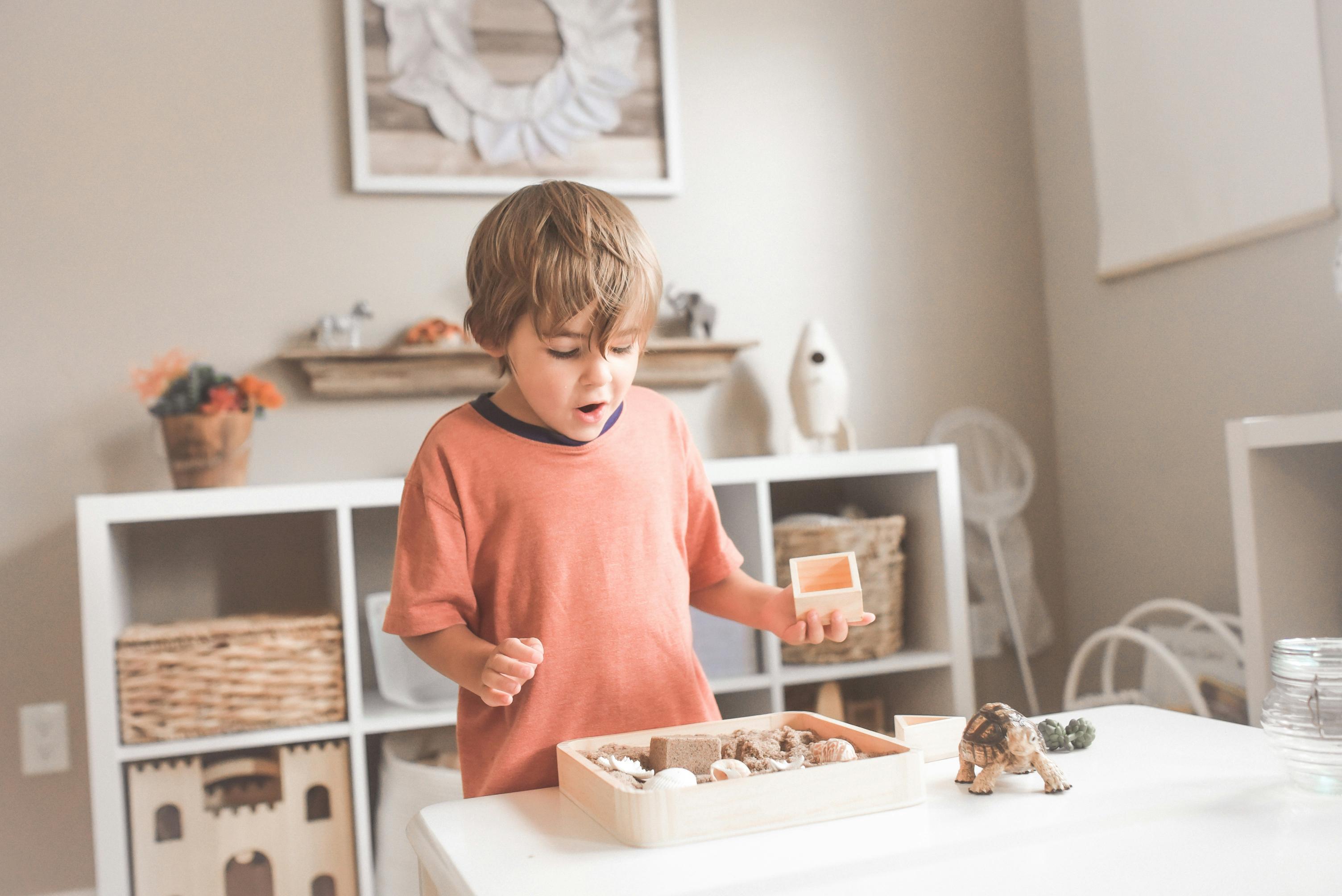
Developed by Dr. Maria Montessori more than a century ago, Montessori education rests on a simple idea: children learn best when they are free to explore a thoughtfully prepared environment at their own pace. Instead of rows of desks and one-size-fits-all lessons, a Montessori classroom is a community where children work with concrete, self-correcting materials, move freely, and develop independence, concentration, and a lifelong love of learning.
- Hands-on, self-correcting learning materials
- Uninterrupted work periods that build deep focus
- Mixed-age classrooms (0–3, 3–6, 6–9, 9–12)
- Freedom within clear, respectful limits
- Guides trained and credentialed in the Montessori method
Why Montessori
An education that follows the child
The prepared environment
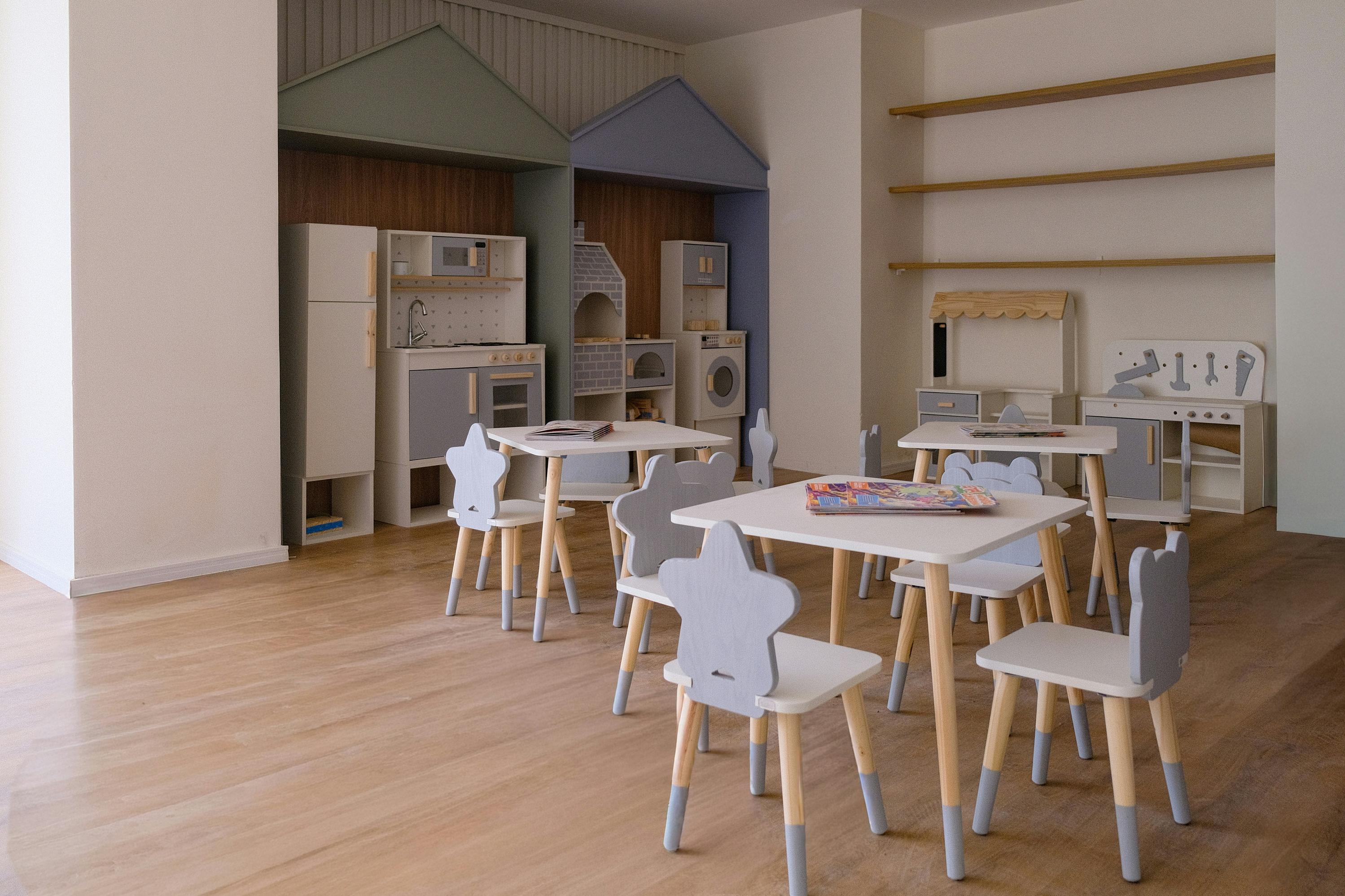
Calm, beautiful classrooms with hands-on materials arranged so children can choose meaningful work and learn through discovery.
Self-directed learning
Children follow their curiosity at their own pace, guided — not pushed — toward independence, focus, and a genuine love of learning.
Mixed-age communities
Three-year age groupings let younger children learn from older ones and older children lead — building empathy, collaboration, and confidence.
Trained Montessori guides
Credentialed teachers (AMS / AMI) observe each child closely and offer the right lesson at the right moment, nurturing the whole child.
Inside the classroom
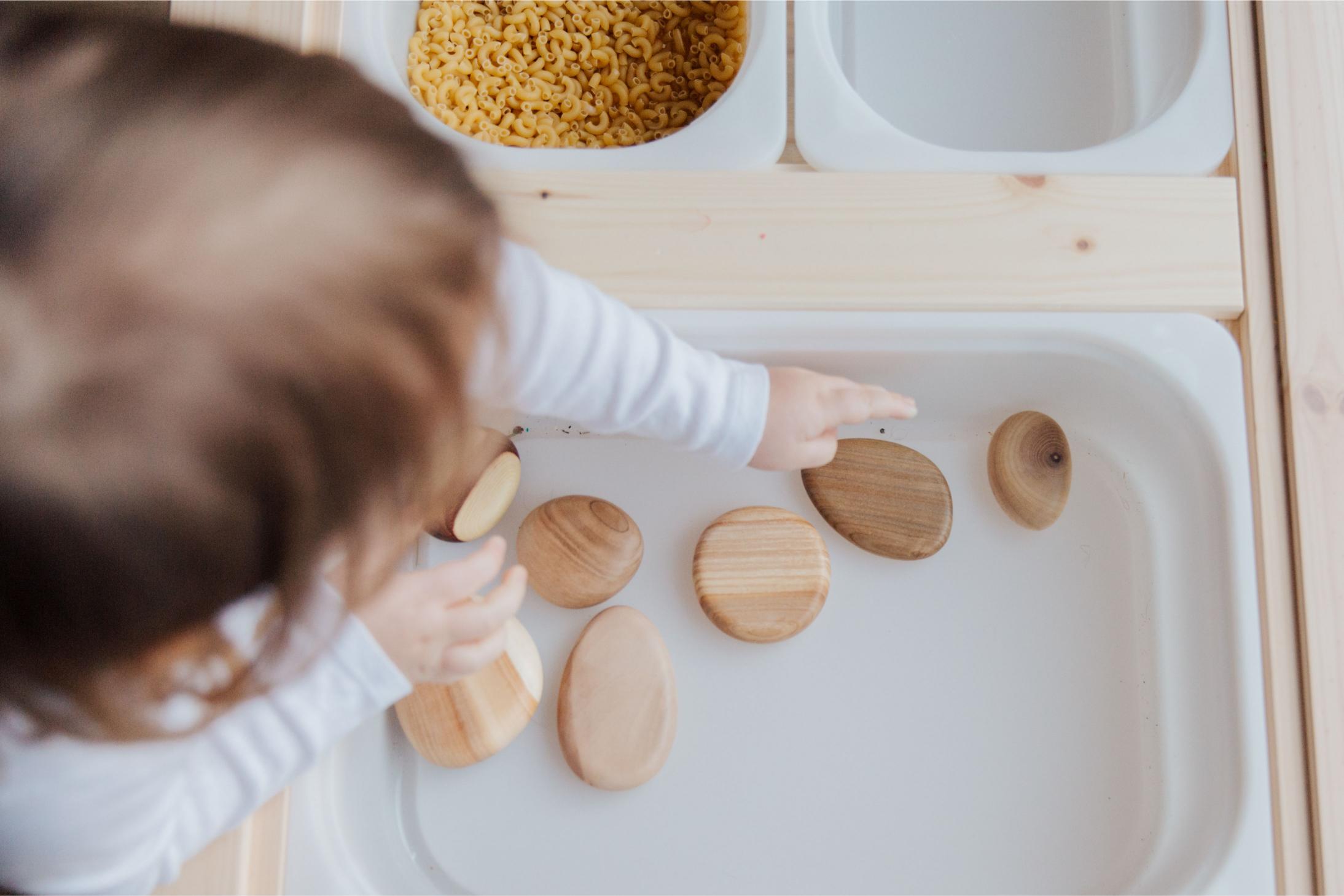
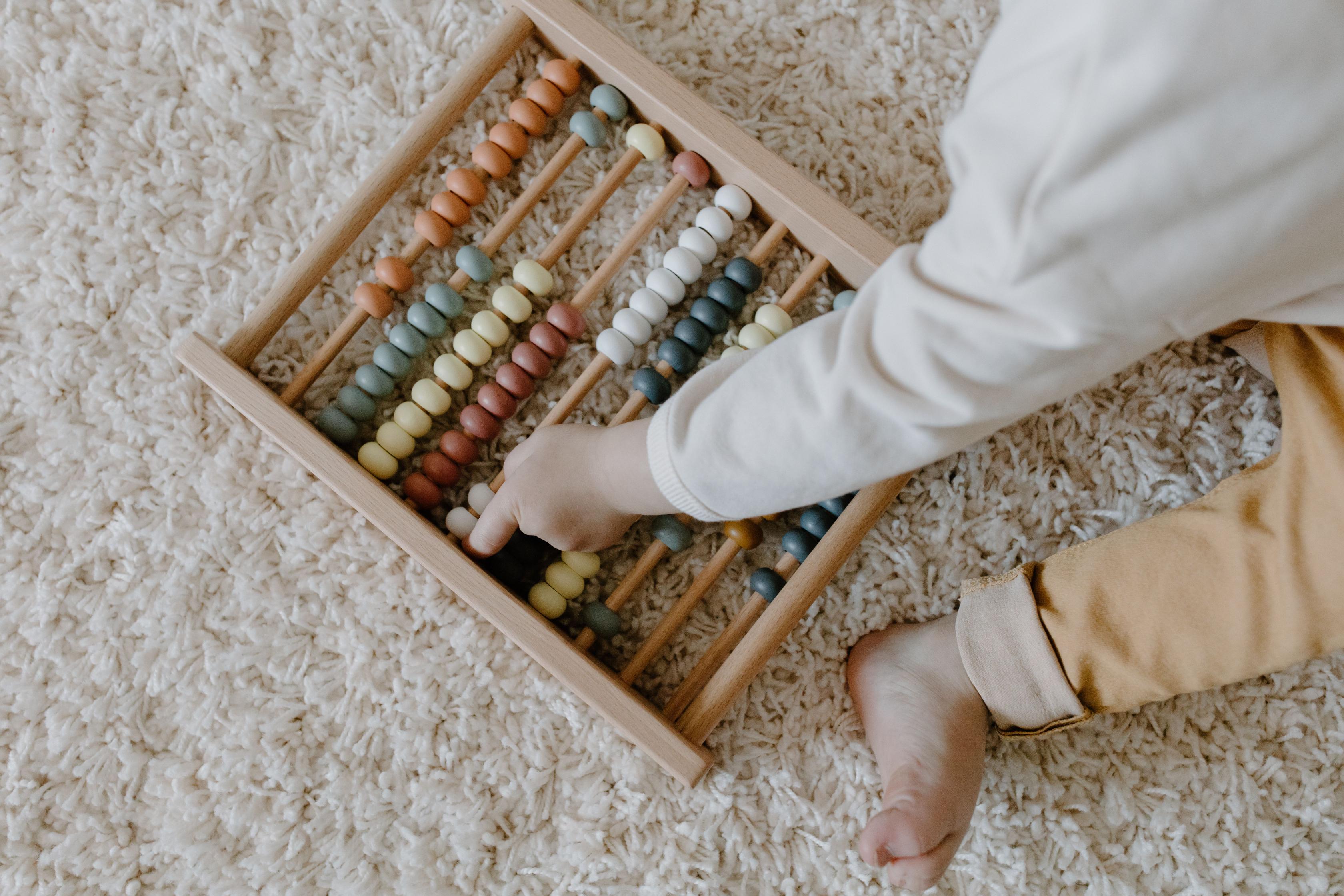
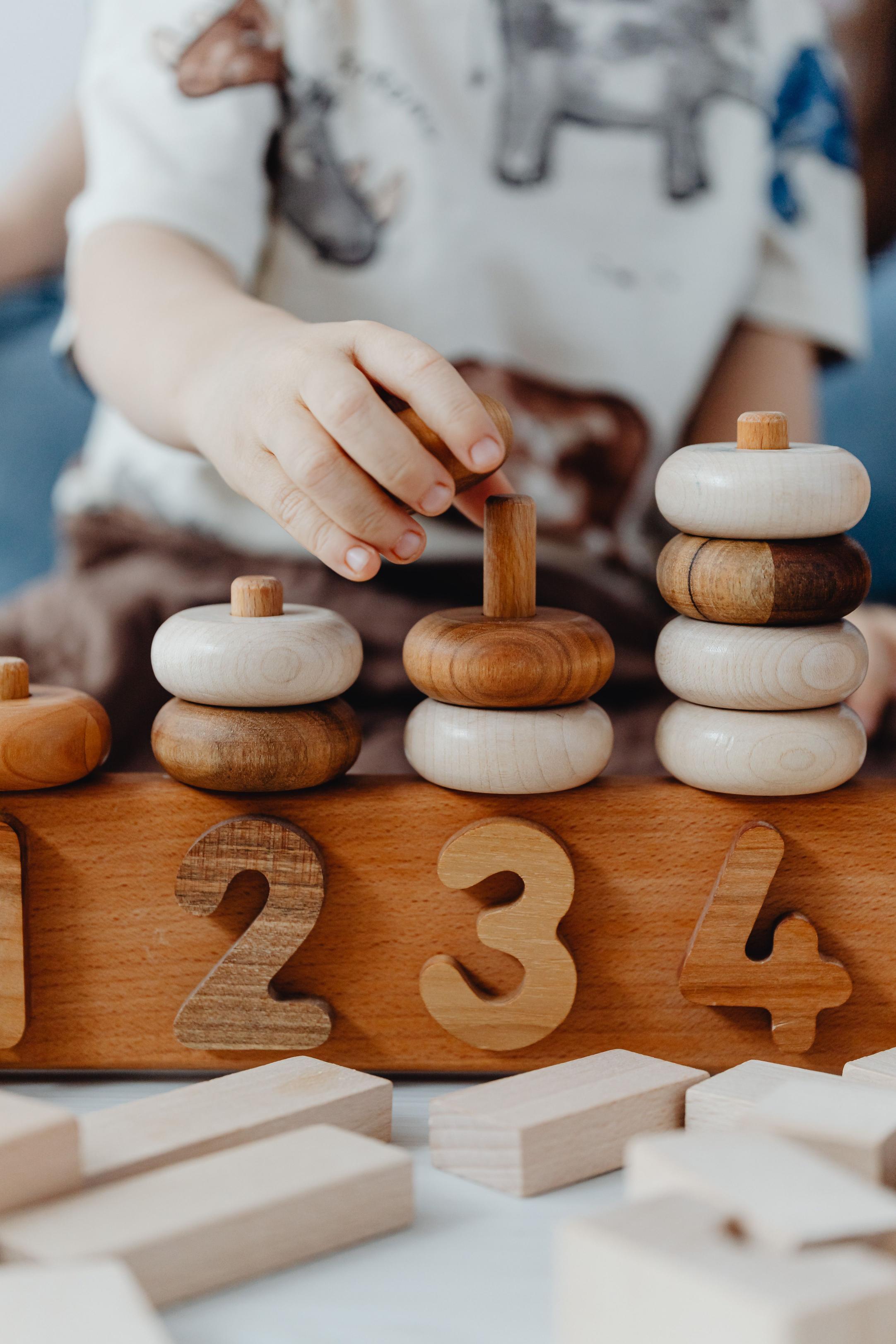
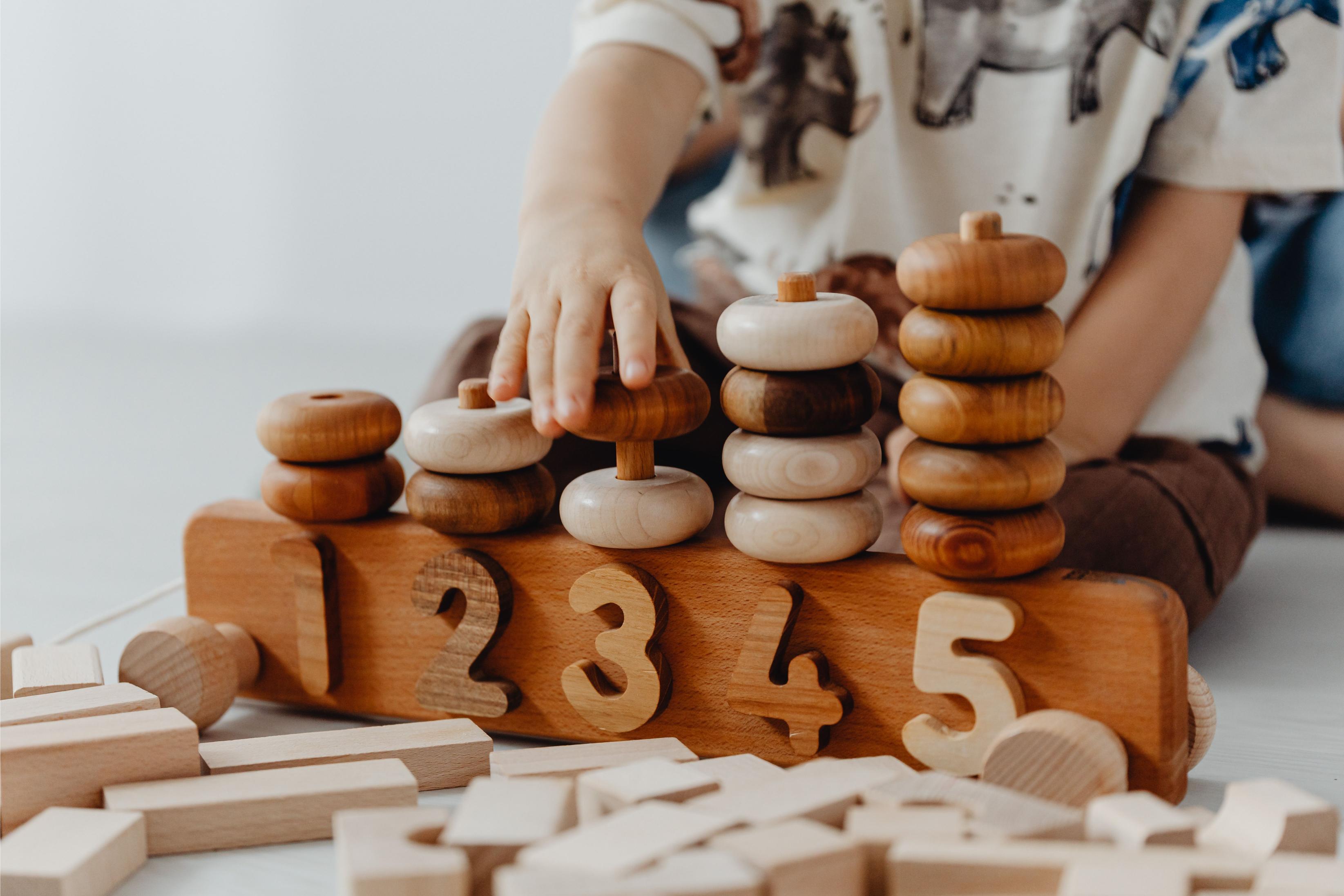
Where curiosity comes to life
A peek at the prepared environments, hands-on materials, and everyday wonder that make Montessori, Montessori.

News & Articles
Latest from San Antonio
Article
What age should my child start Montessori?
Understanding the optimal timing for beginning your child's Montessori journey.
Read articleArticle
How do I know if a Montessori school is authentic?
Key indicators to help you identify genuine Montessori programs versus schools that just use the name.
Read articleArticle
How much does Montessori school typically cost?
Understanding tuition ranges and what factors affect Montessori school pricing.
Read article
Local Notes
Admissions in San Antonio run on a rolling, tour-first rhythm. Most schools open applications for the following school year in the winter and enroll through spring and summer until classes fill; infant and toddler rooms tend to have the longest waitlists, so it's worth touring early if you have a little one. Because the metro is spread across the 410 and 1604 loops, weigh the daily commute alongside the program itself — a school in Stone Oak or Boerne may suit a north-side family better than a central campus, and vice versa.
When you visit, ask about teacher training and accreditation (AMI or AMS), the daily schedule, mixed-age groupings, and tuition for your child's age — full-day infant/toddler care typically costs more than a half-day primary program. Many schools offer sibling discounts or tuition assistance; ask directly, as policies vary by school.
Frequently asked questions
- What ages do Montessori schools in San Antonio serve?
- It ranges by school. Many start with infant and toddler programs (roughly 6 weeks to 3 years), most offer a primary classroom for ages 3–6, and some continue into lower and upper elementary. A smaller number serve through the middle-school years. Each school's listing notes the ages it serves.
- What's the difference between AMI and AMS Montessori schools?
- Both are well-respected. AMI (Association Montessori Internationale) was founded by Maria Montessori and tends to follow her original training closely; AMS (American Montessori Society) is the largest U.S. organization and allows a bit more adaptation. Either can be excellent — what matters most is credentialed guides and a faithfully prepared environment. Observe a classroom before deciding.
- When should I apply to a Montessori school in San Antonio?
- Most schools open applications in the winter for the following fall and enroll until spots fill. Tour early — infant and toddler rooms fill first and often keep waitlists. If you're moving mid-year, ask about rolling openings; spaces do come up.
- Are Montessori schools in San Antonio accredited or regulated?
- Texas doesn't license or regulate the word 'Montessori,' so any school can use it. That makes accreditation (AMI or AMS) and the training of the teachers your best signals of an authentic program. Licensed childcare is separately overseen by the state; ask each school what it holds.
- Which parts of San Antonio have Montessori schools?
- They're spread across the metro — central neighborhoods like Alamo Heights, Monte Vista, and Southtown; the north side around Stone Oak and the South Texas Medical Center; and nearby suburbs such as Boerne and Schertz. Compare commutes when you build your shortlist.
- How much does Montessori cost in San Antonio?
- Tuition varies with age, hours, and program. As a rule, full-day infant and toddler care costs more than a half-day primary program, with elementary somewhere in between. Many schools offer sibling discounts or need-based aid. Ask each school for current rates and what's included (meals, materials, aftercare).
Ready to find the right fit?
Every child deserves a place to flourish. Browse Montessori programs and connect with schools near you.